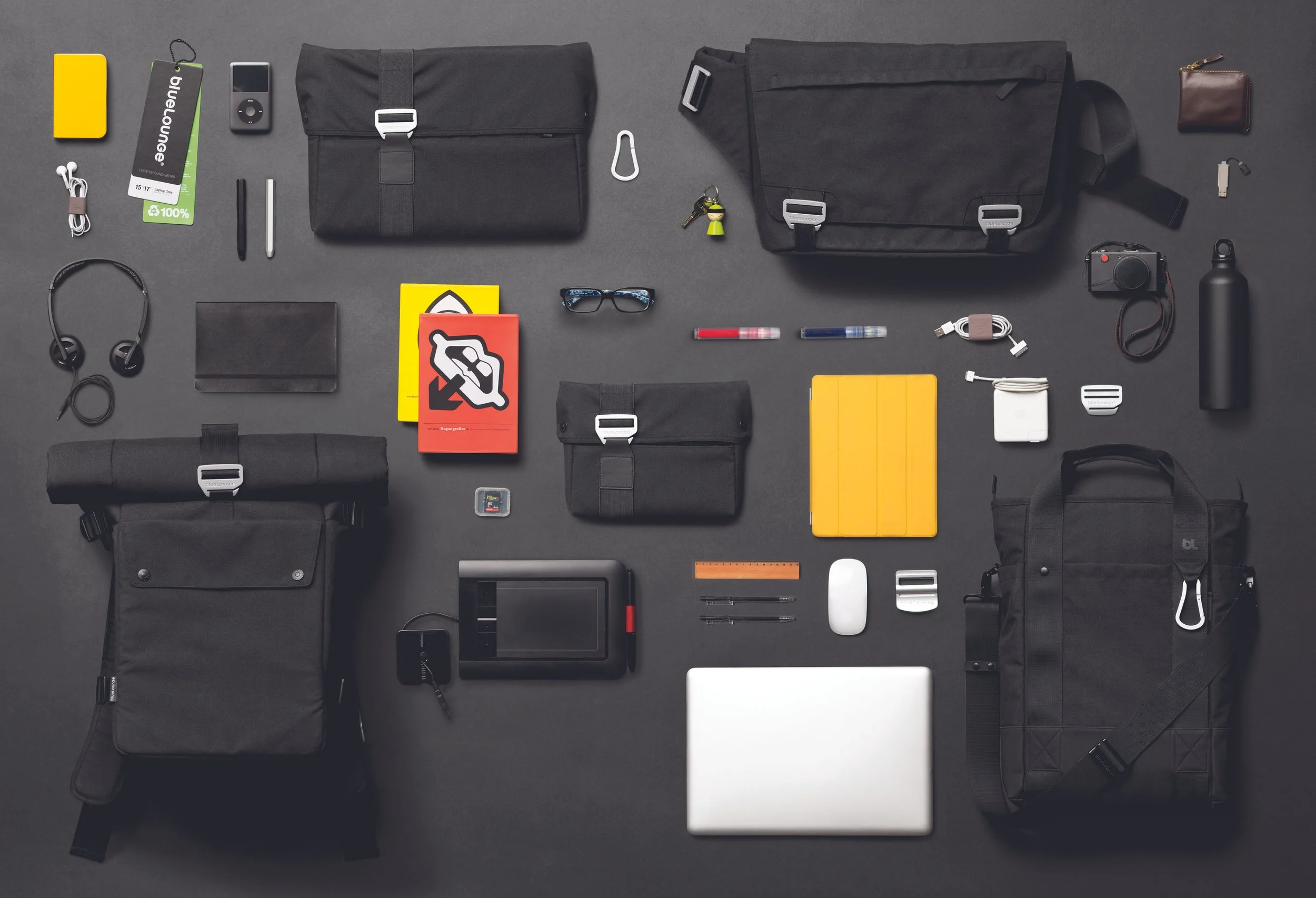
The Gap: Designing Through Imposter Syndrome
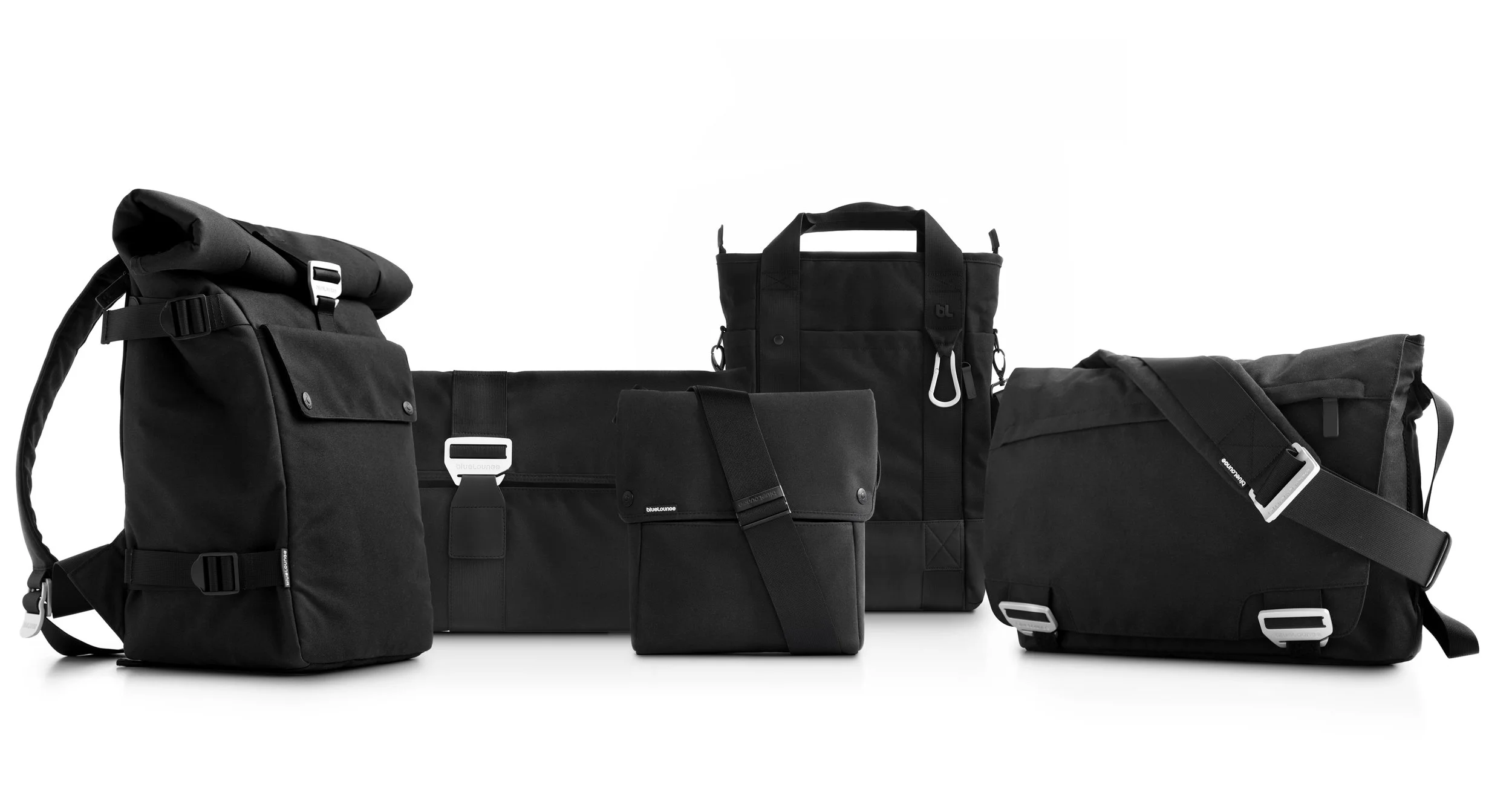
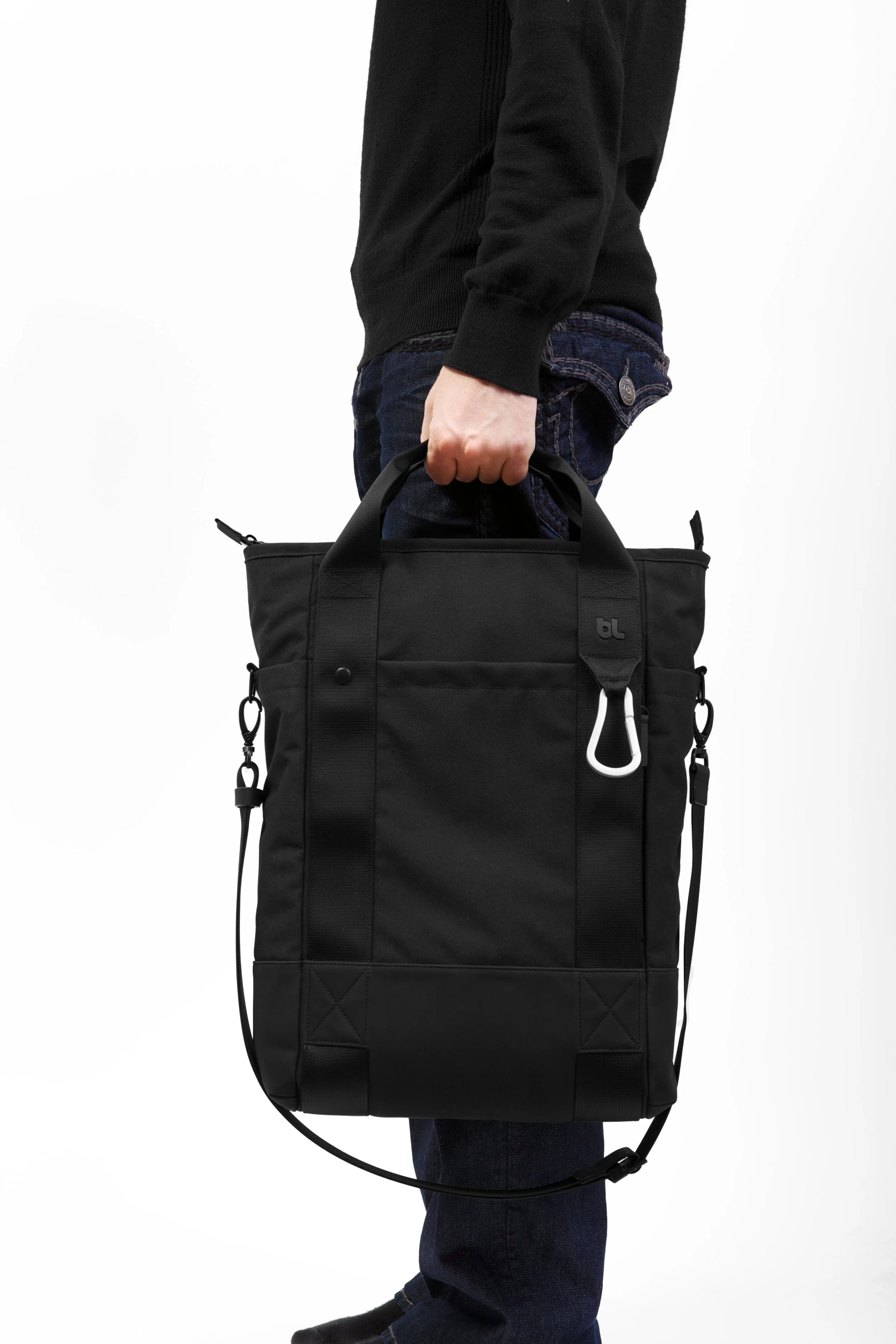
The first line up of the collection, released in 2012.
OVERVIEW
The most important projects are rarely the ones you feel ready for.
Some projects come as opportunities. Others quietly test who you are as a designer. The Bluelounge Recycled Bag Collection was both. What began as an unexpected brief to create a whole new product category turned into one of the most important experiences of my career, not because of what we made, but because of who I had to become to make it.
THE BRIEF
Sometimes you have to say yes before you feel ready.
I joined the company in 2010, and it was’t long until the founder of Bluelounge, Dominic Symons, who is also my direct boss, came to me with an idea. He had noticed my background in footwear design and thought it could be useful given my experience with soft materials such as fabrics and PU’s. He wanted to expand the brand into bags, a category Bluelounge had never explored before, and believed I was the right person to lead the project.
I wasn't so sure.
It was true that I had some experience with soft goods from my days in the footwear industry. But designing a full bag collection, working on the construction, silhouette, design language, and material system, felt like a completely different challenge. I had to say yes though, it’s not like I can decline a task from the company's owner. That gap between what you’re asked to do and what you feel confident you can deliver is familiar to most designers. I had been there before and knew I would find my way again.
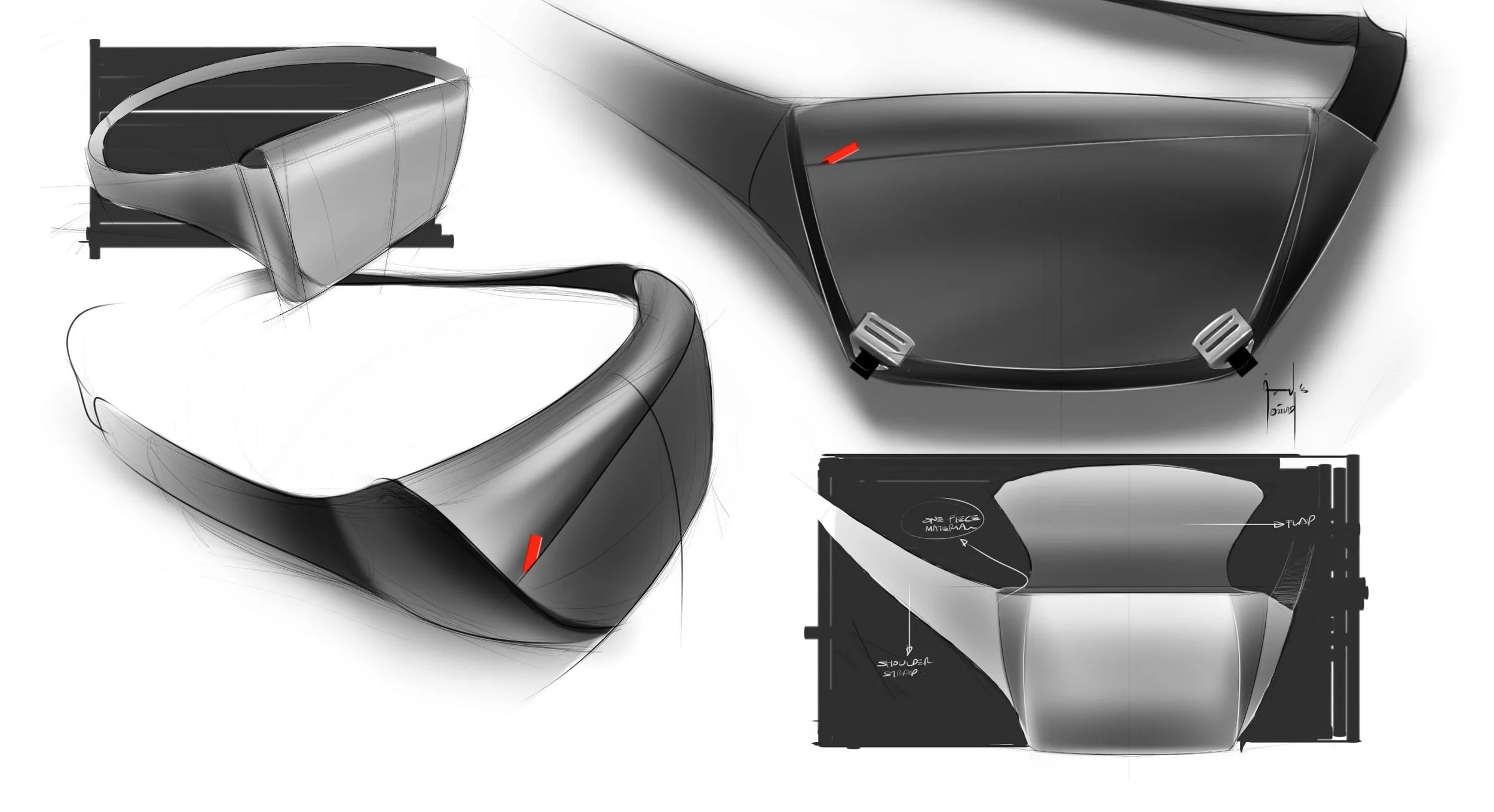
Early sketches of the messenger bag
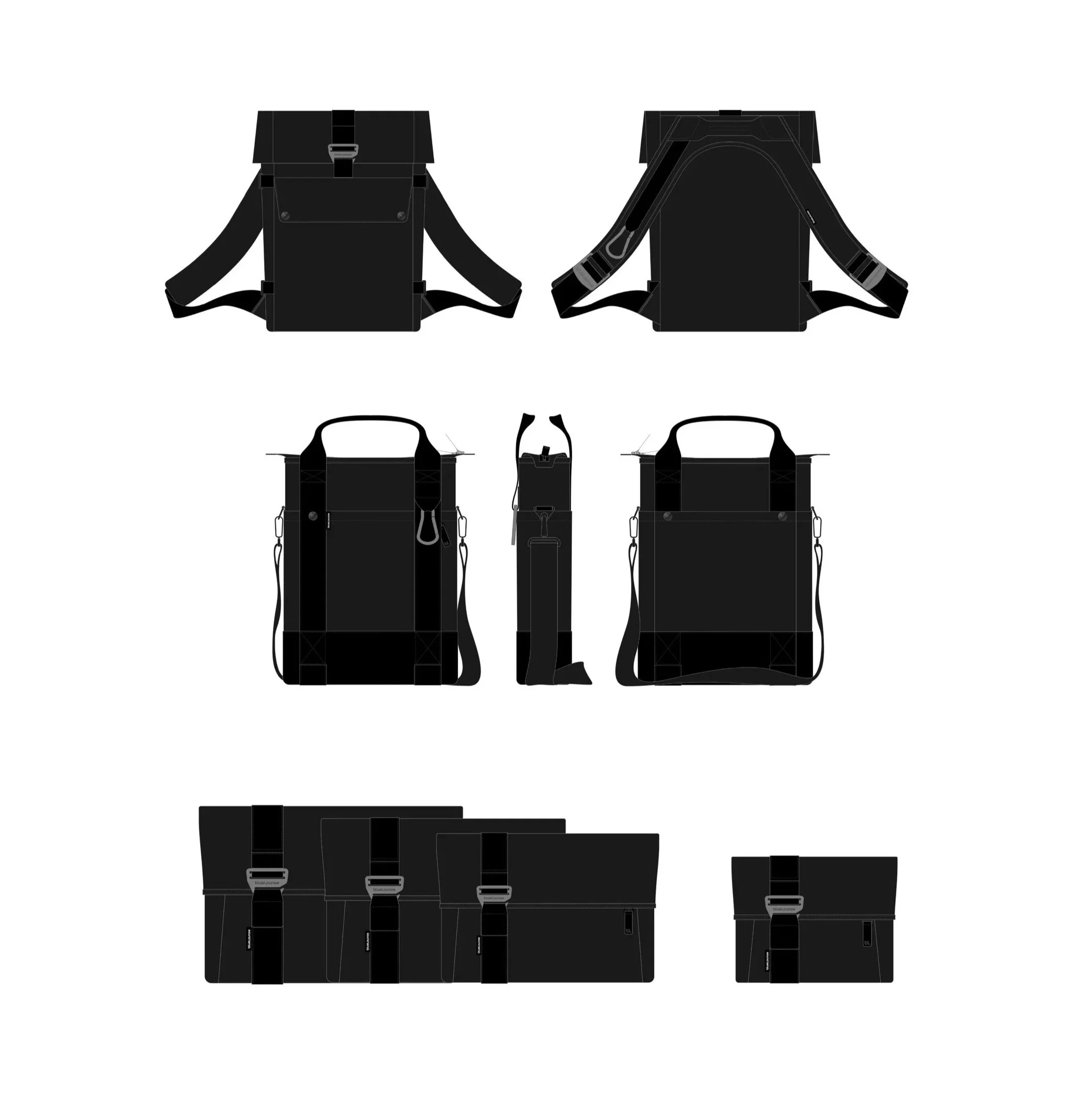
Initial technical artwork of the collection showing the unified design language across different typology.
THE PROBLEM
It’s not the brief, it’s the voice in my head.
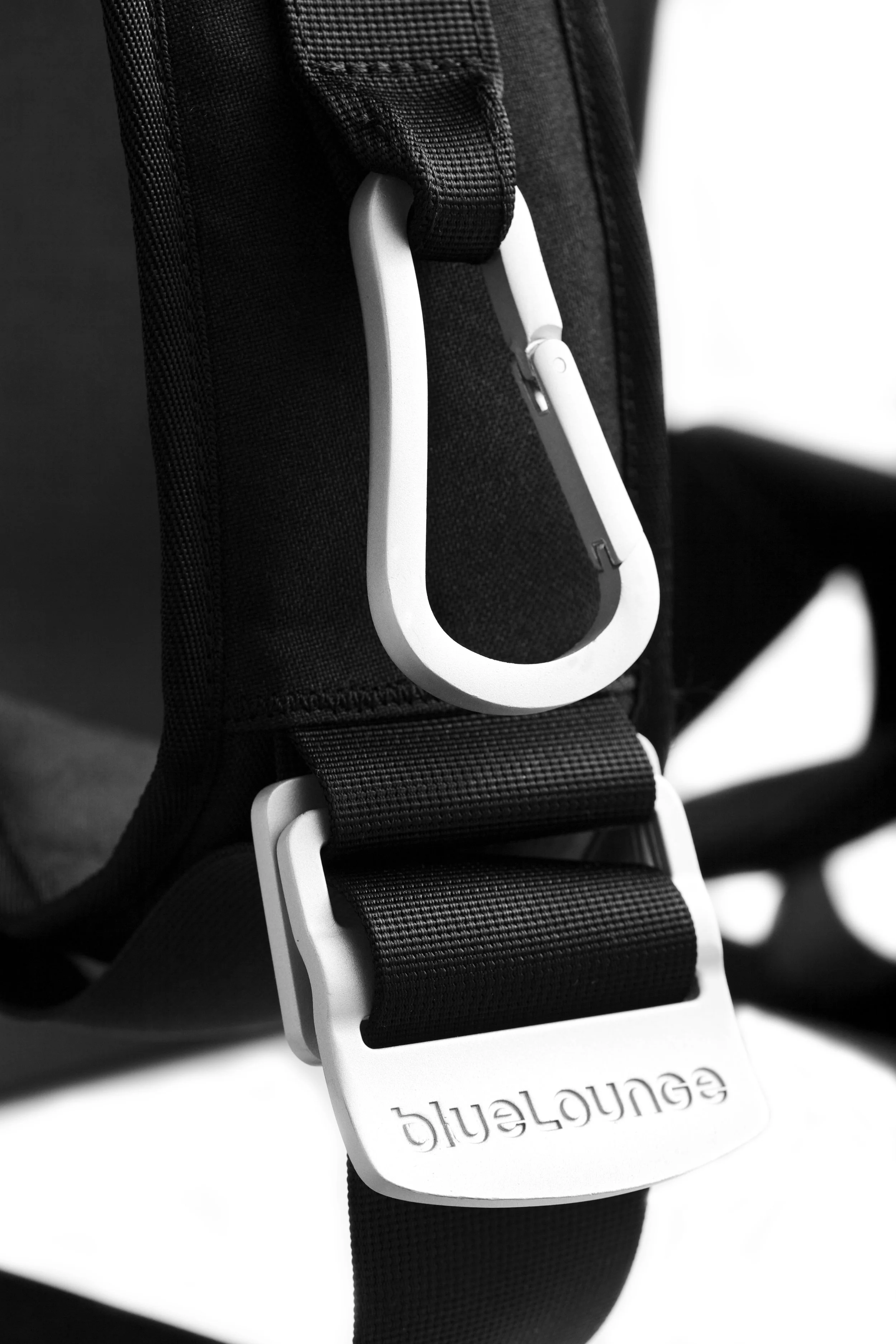
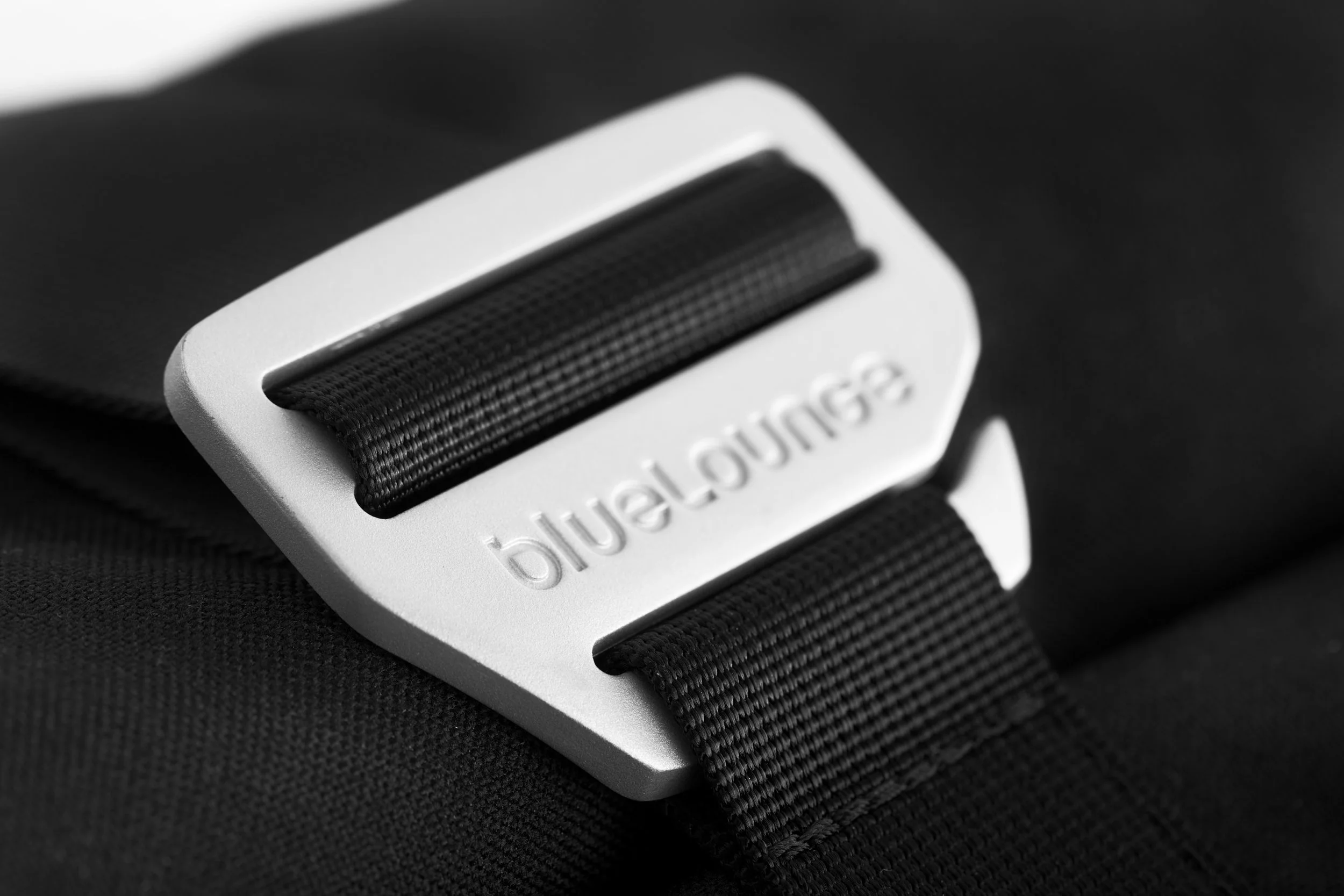
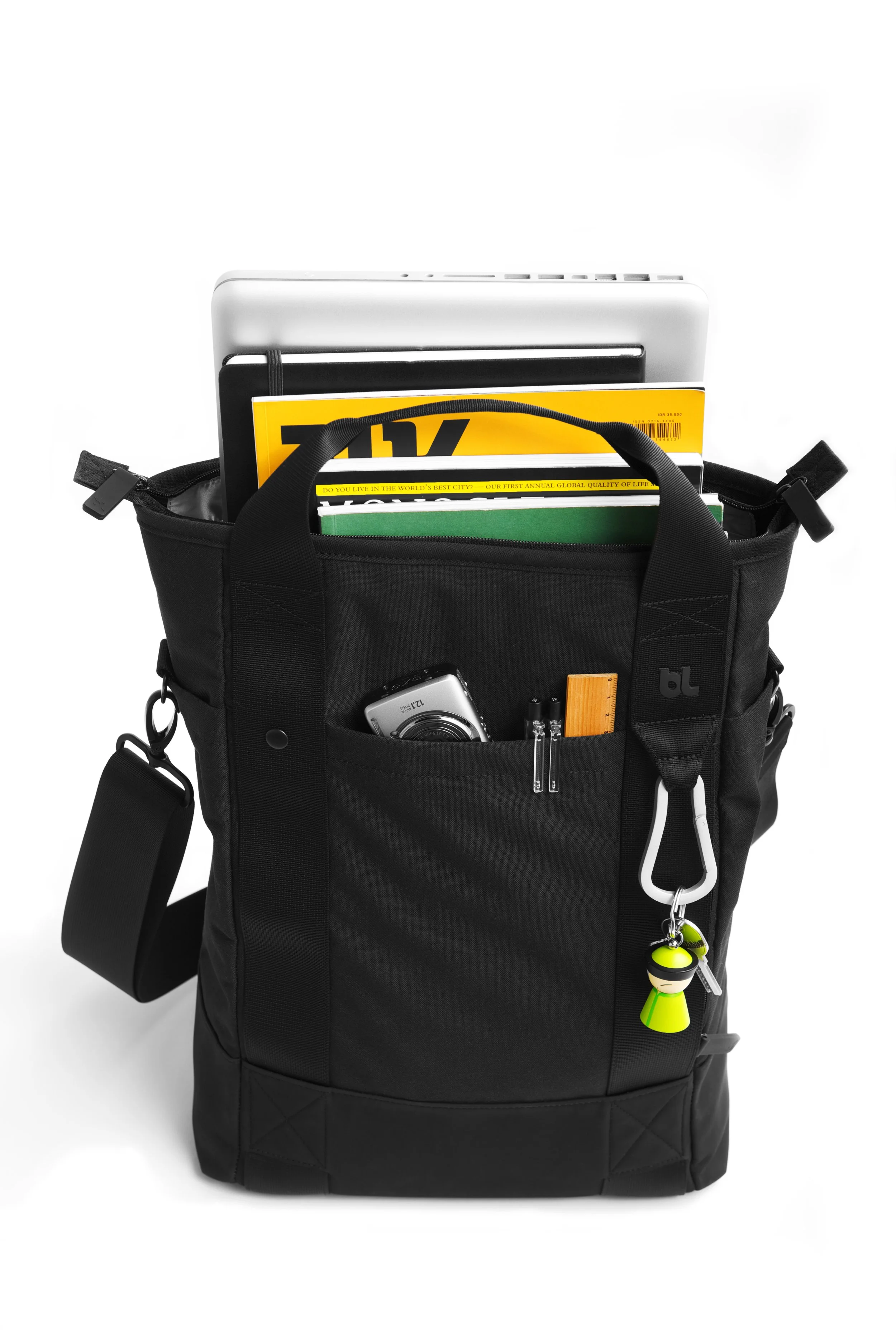
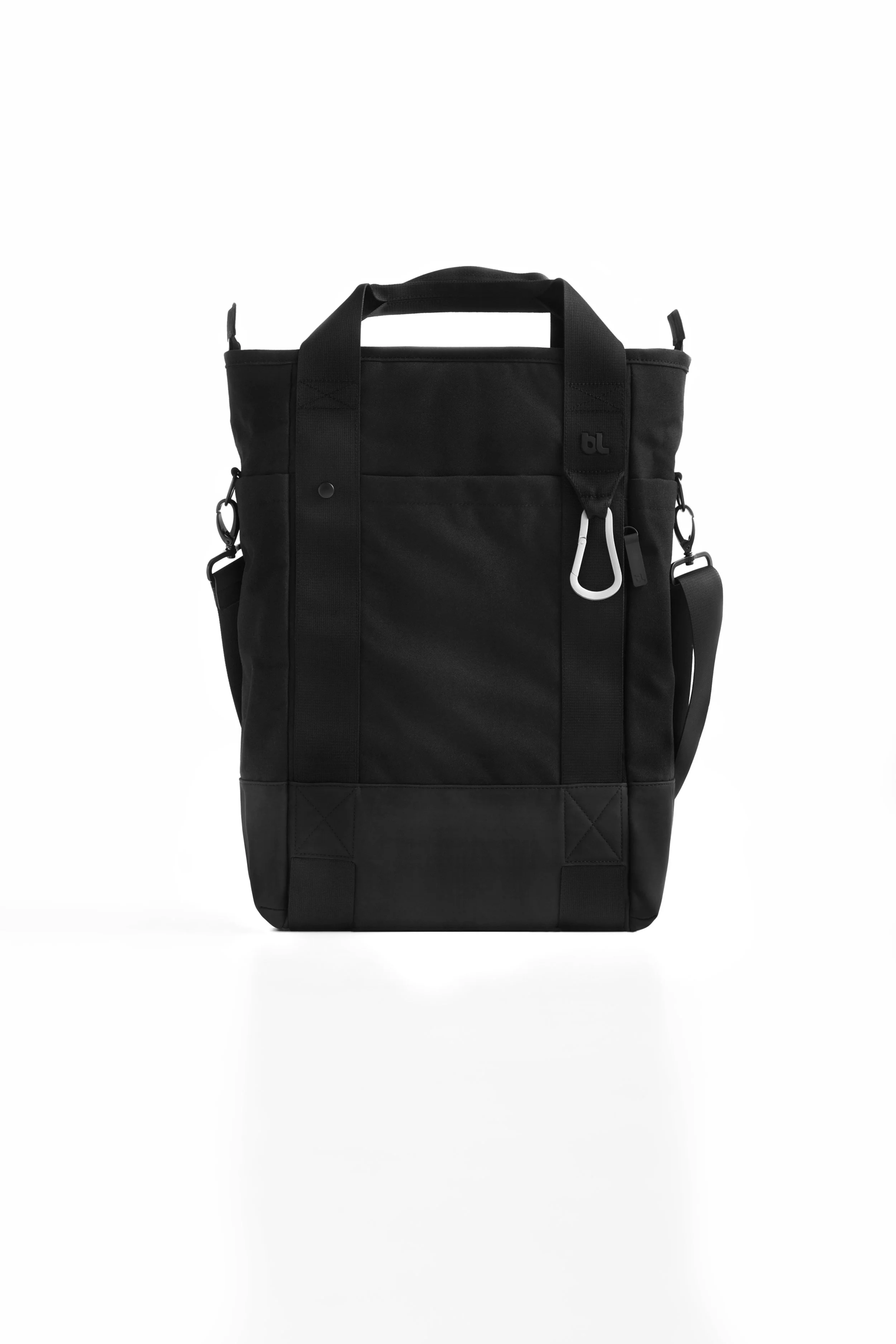
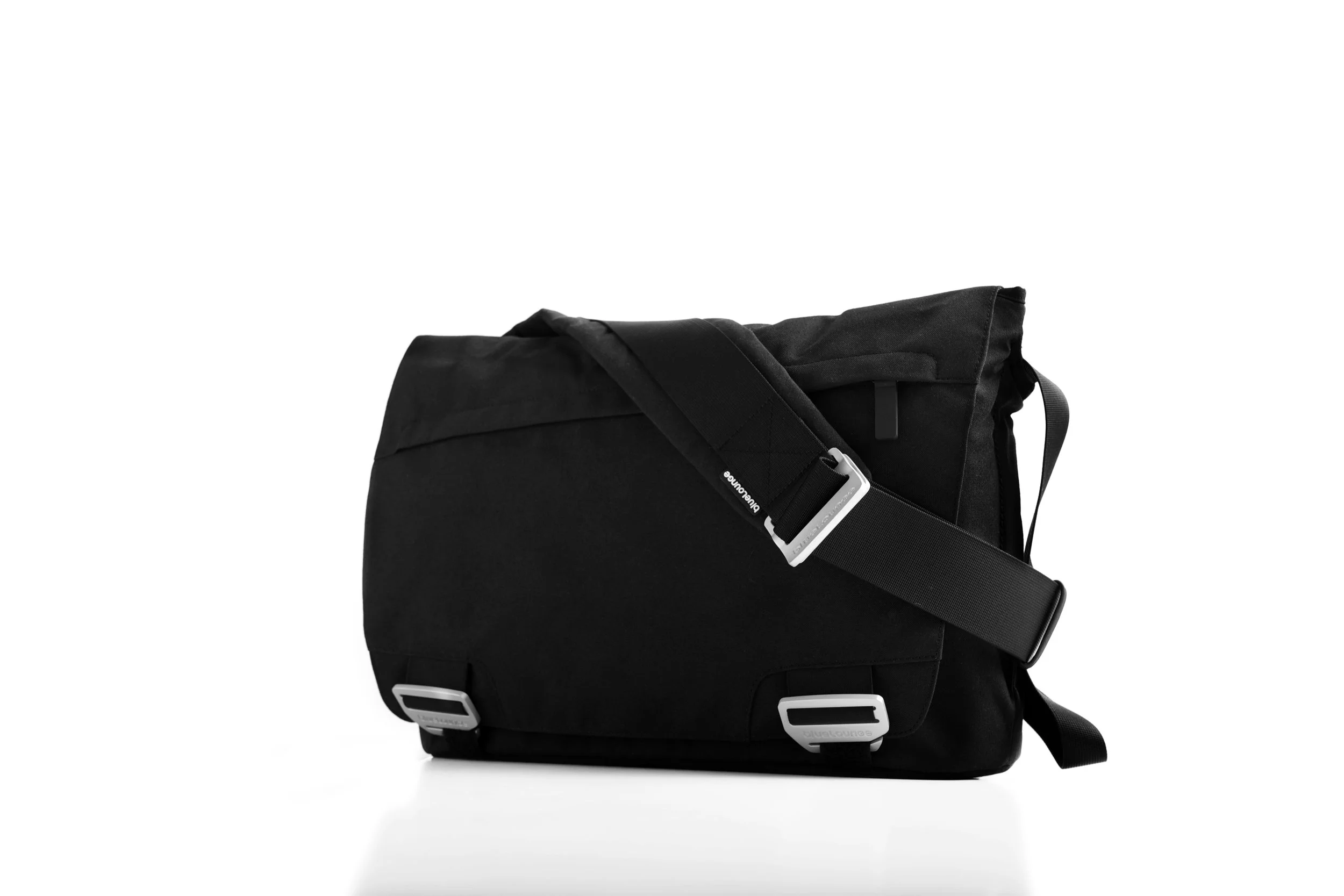
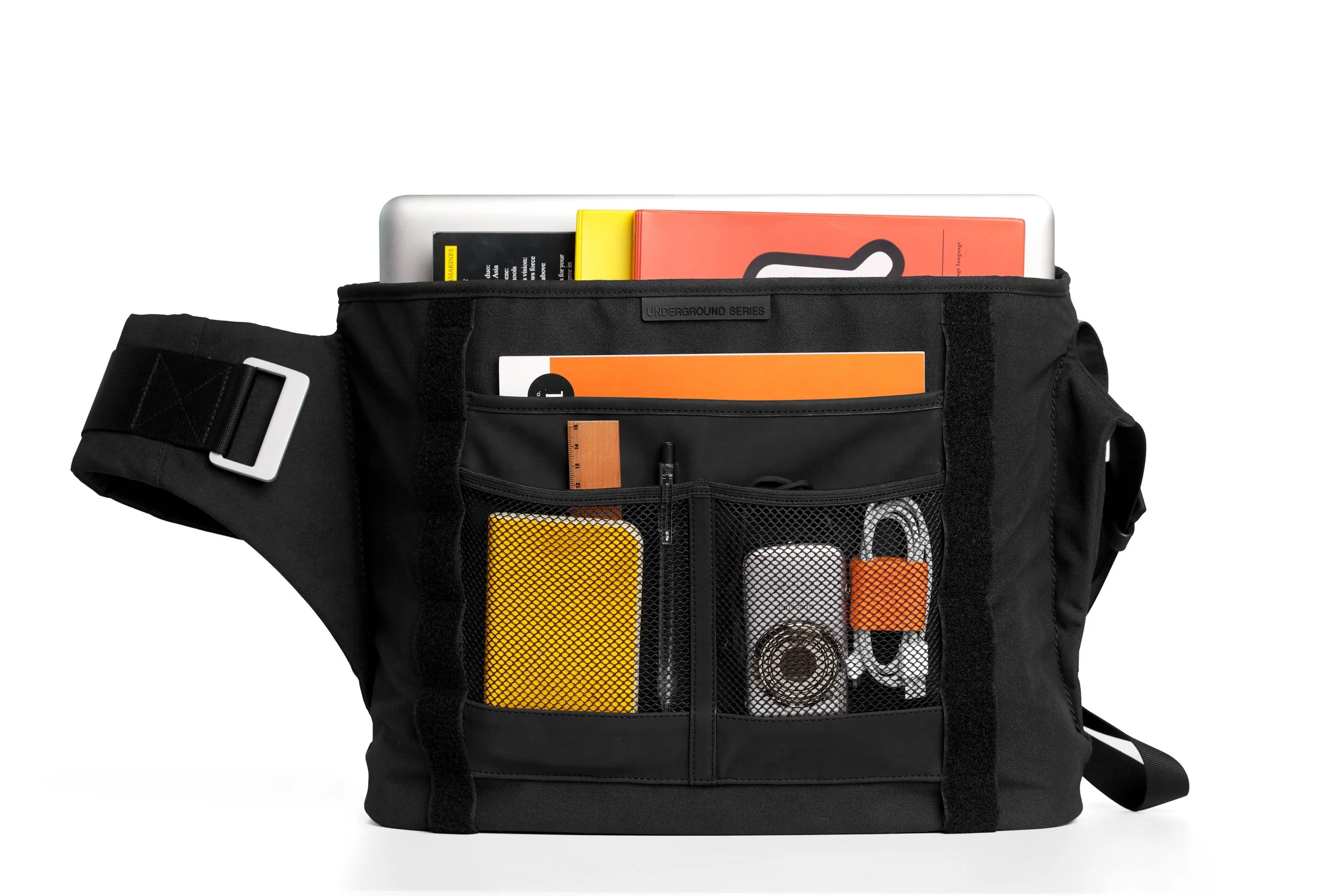
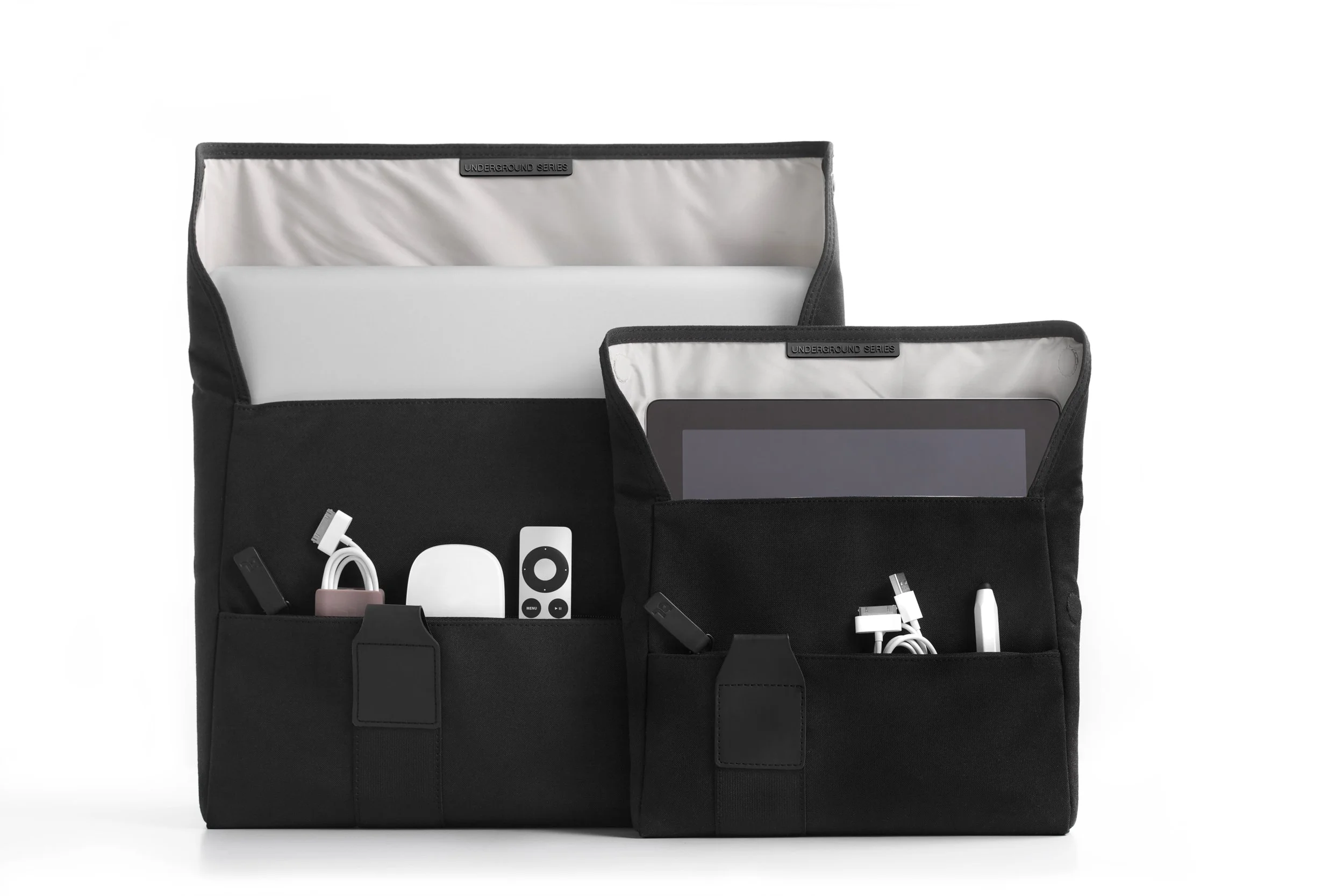
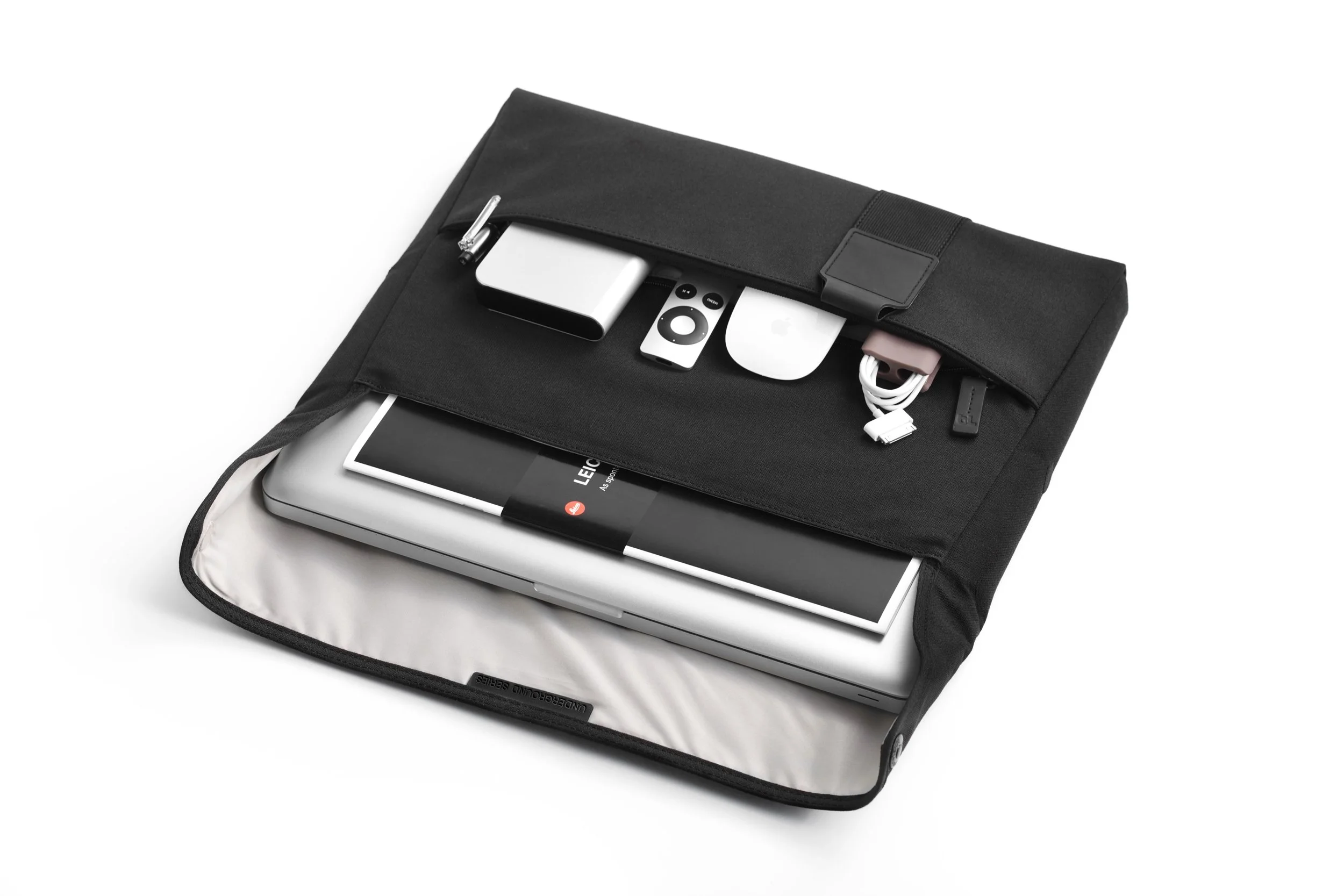
On paper, the problem was clear: create a cohesive collection of bags, a backpack, a tote, a messenger bag, a laptop sleeve, and an iPad sleeve that felt true to Bluelounge's clean, minimal style while introducing a new material commitment with recycled PET fabric and recycled aluminum hardware.
In reality, the problem was messier and more personal. I had to learn pattern design for soft goods from scratch. I had to figure out how to use a sewing machine. I needed to understand how fabric behaves, how seams carry tension, and how construction choices shape the silhouette, all while thinking about design language, brand consistency, and what a Bluelounge bag should feel like to hold. There were no shortcuts, no courses, and not many online tutorials yet. This was 2011. You learned by figuring out stuff the hard way.
Beneath it all, quietly but persistently, was the imposter syndrome. That voice asking if you’re really the right person for this. Wondering if saying yes was a mistake. If the gap is just too big this time.
THE PROCESS
Clarity doesn’t come at the beginning of the process. It’s something you gain along the way.
My boss knew this brief couldn’t be rushed. He gave me sufficient time to explore, prototype, make mistakes, and try again. At one point, he even bought a sewing machine and put it on my desk. That gesture said more than any brief ever could: figure it out, and I trust you to do it.
So I did. At first, it was slow and frustrating. I made prototypes that didn’t work, unpicked seams, and started over. I learned by doing, letting the process teach me what research never could. I started small and sewed myself a wallet using Tyvek paper. It’s a lousy wallet, but felt pretty good about it. Gradually, the noise settled, and the direction became clearer.
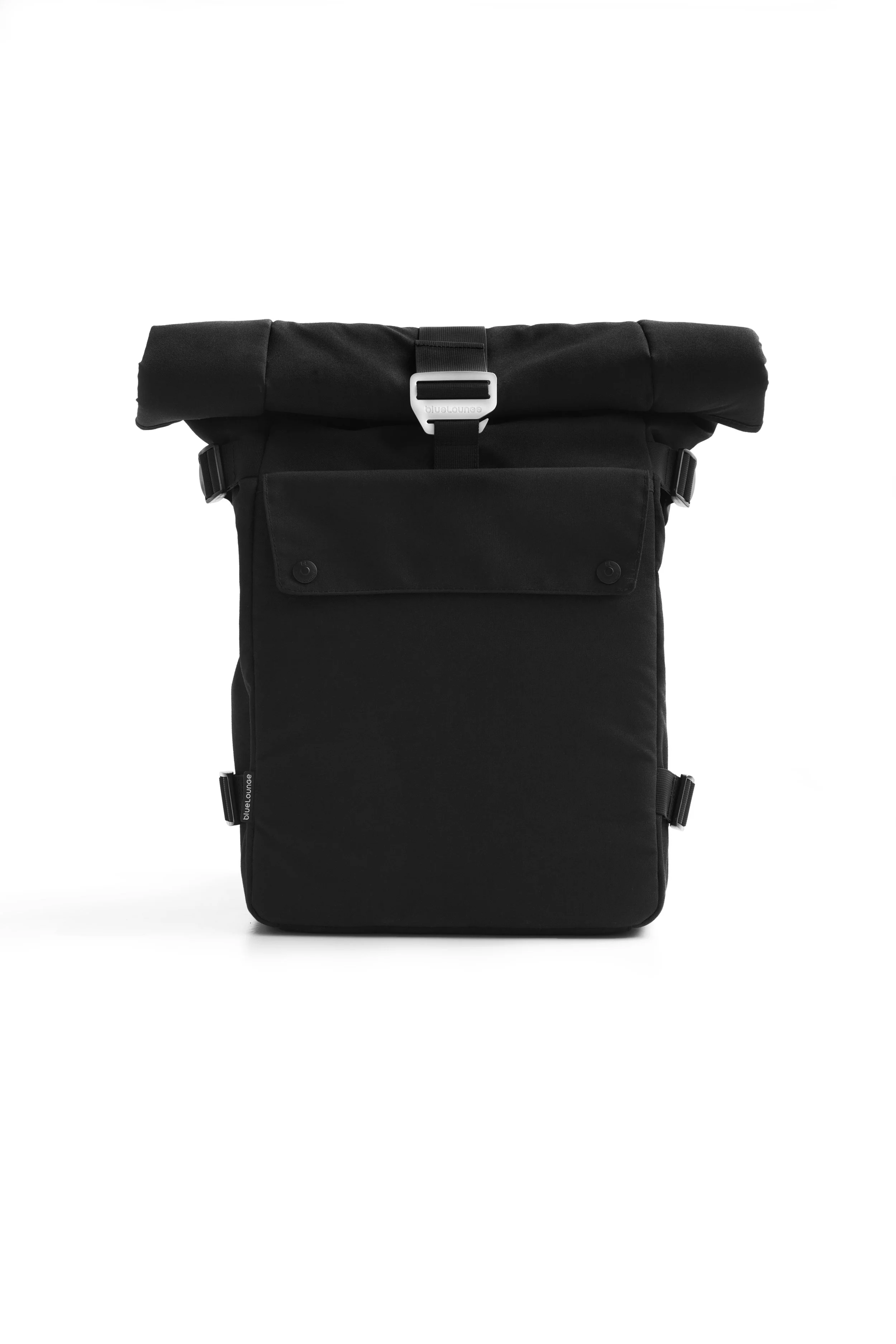
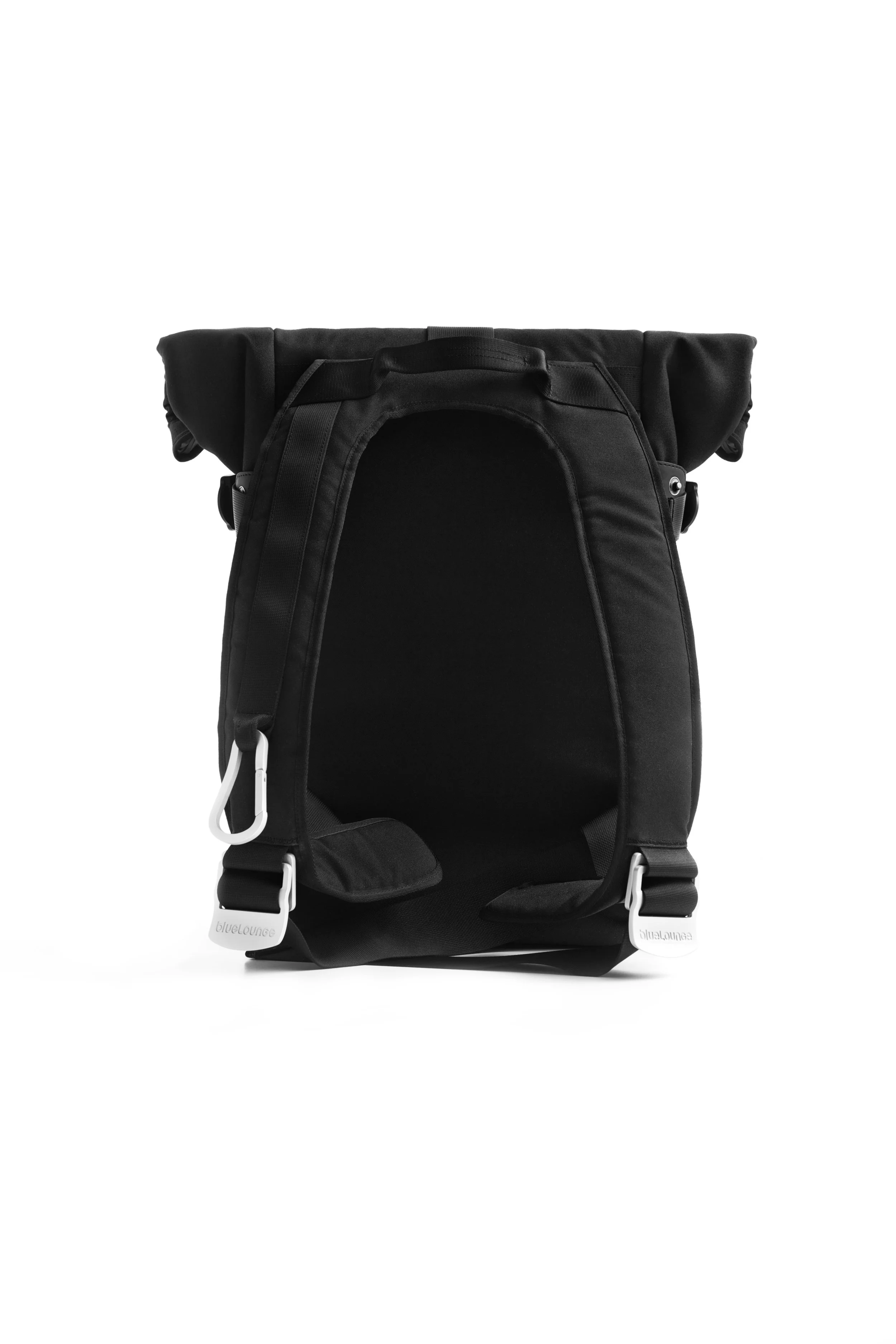
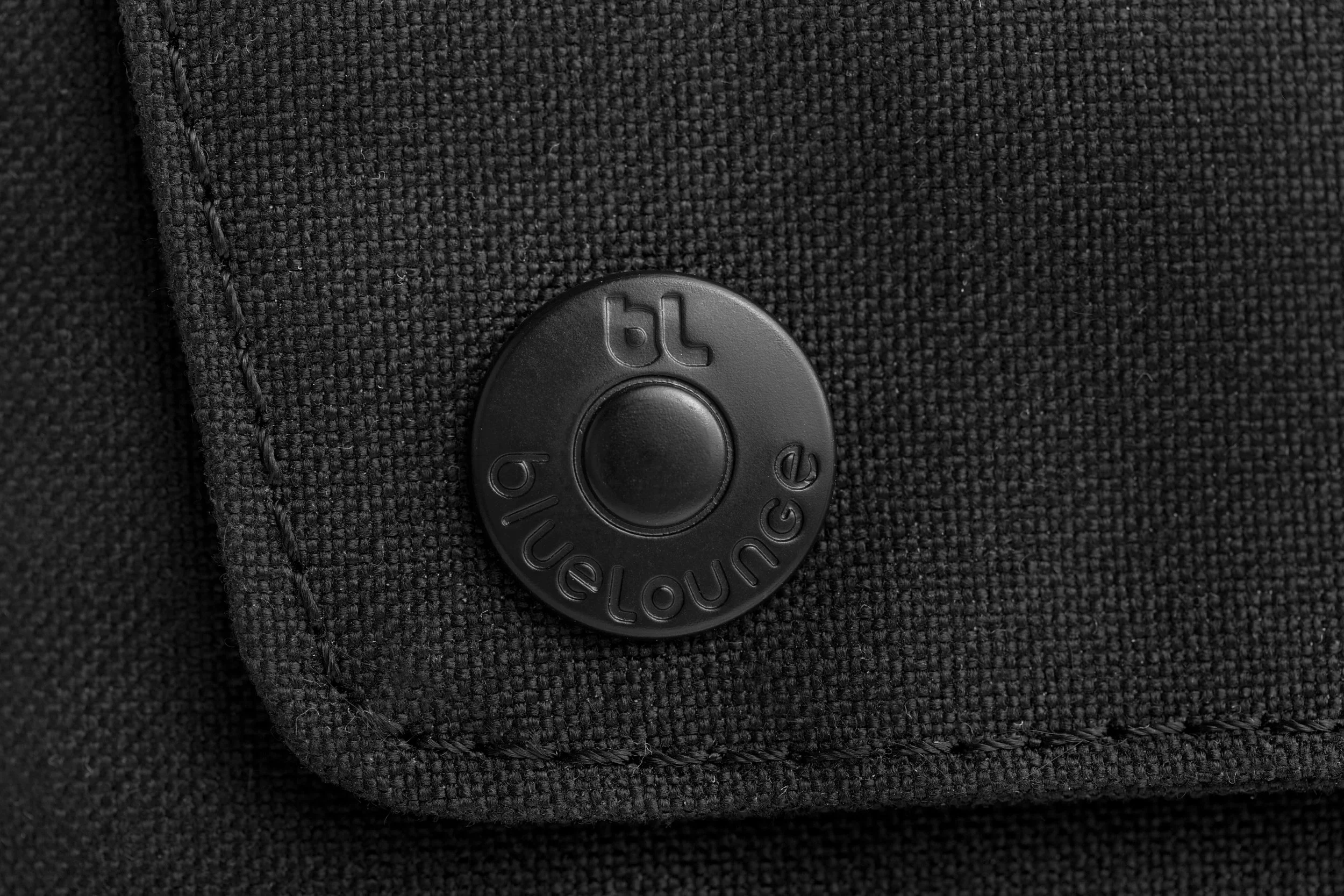
The design language that came from that year of exploration was purposely simple: two vertical seam lines and a horizontal fold line, used consistently across all typologies. It sounds straightforward now, but getting there was anything but. The colours followed the same careful logic: black for the first wave to test the market, then a cool light gray, and finally terracotta, each released over the years as the collection found its audience.
THE RESULT
The collection lasted for six years, but the lesson it taught me remains timeless.
The collection started in 2012 and continued until 2018. It lasted six years, featuring three colour waves and quite a few bag types, in a category that didn’t exist at the brand until we created it.
But the result I think about most isn’t measured in years or product numbers. It’s a quieter one: realizing that imposter syndrome, as uncomfortable as it feels, has never been a true sign of what one can actually do. The gap between confidence and ability isn’t fixed. It closes with work, patience, and the willingness to sit down with a new tool and get started.
The sewing machine is gone now, but what it taught me remains.
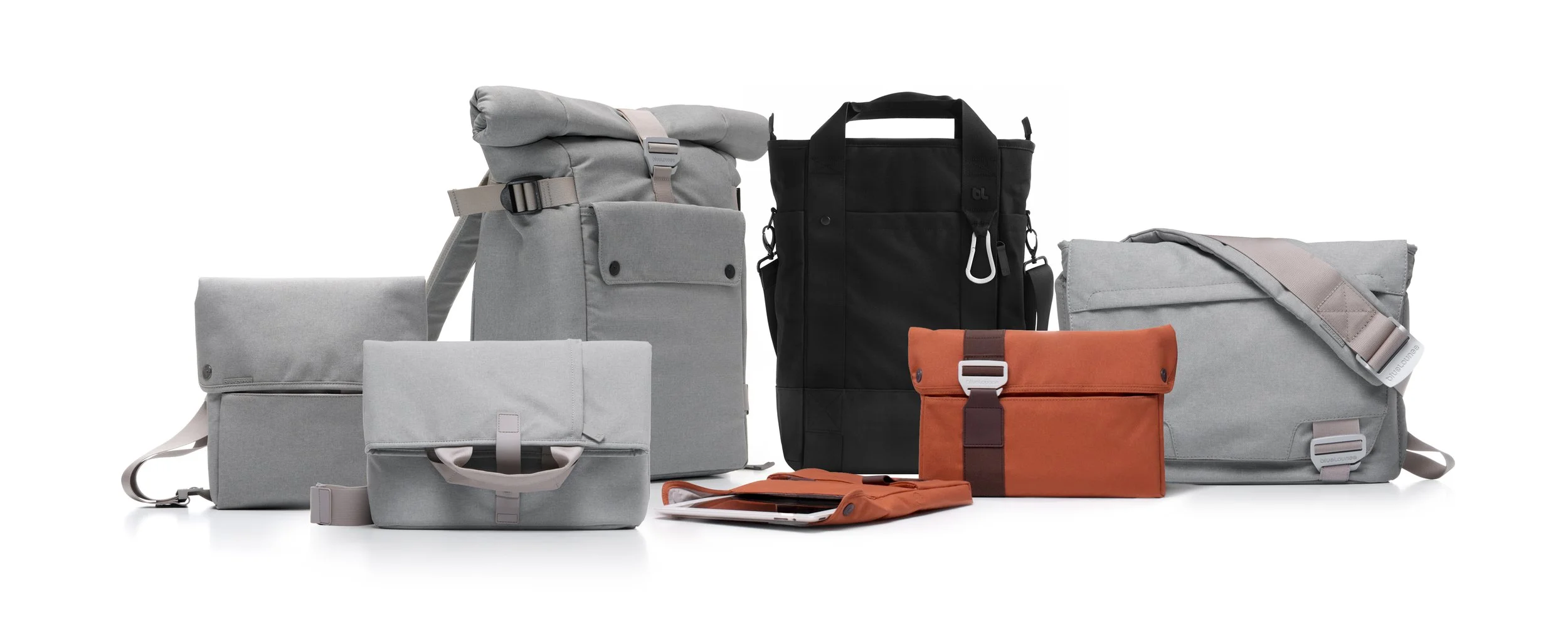
A snippet showing all colorways from 2012 — 2018